
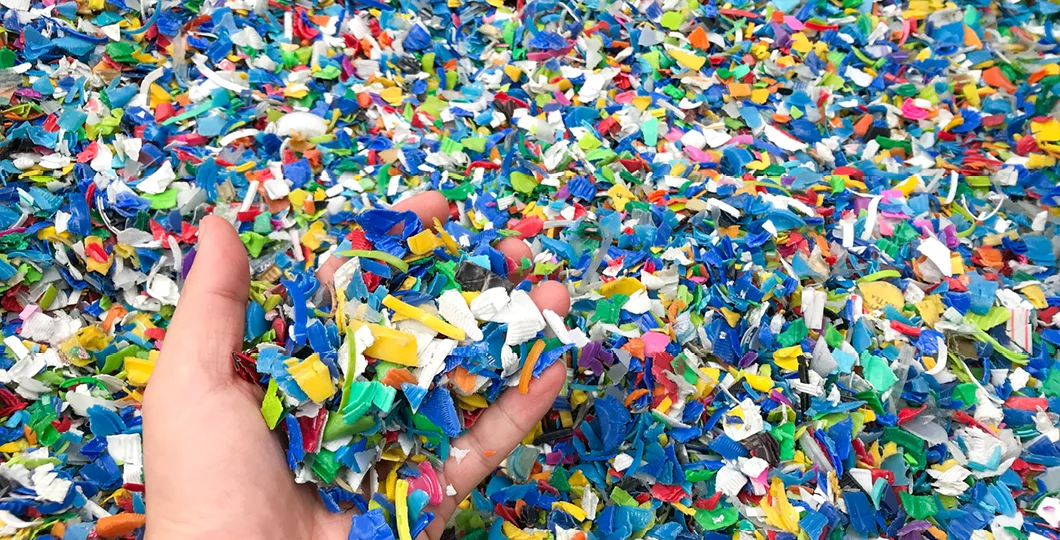
Plastic recycling steps
Plastic recycling is one of the important topics that has been discussed all over the world. Before explaining the steps of plastic recycling, we will talk about what is plastic, types of plastics, etc. Then we will discuss the steps of plastic recycling and its benefits. Plastic is a polymer that is known as a non-biodegradable material that is dangerous to the surrounding environment. Unlike biodegradable materials, plastic cannot be decomposed by natural methods. The current world in which we live is surrounded by billions of plastic products. If we recount the number of things we have used today, we can easily realize that most of the things we see are made of plastic. Therefore, recycling plastic bottles and other products provides us with great business opportunities. The plastic recycling business is very profitable if done with proper business planning. In this article, I will share information about the steps of plastic recycling.
What is plastic?
The word plastic comes from the Greek word plastikos, meaning moldable. The first synthetic plastic was created by Leo Buckland in 1907. Plastics are synthetic or semi-synthetic materials made from organic polymers. The polymers are mixed with certain types of additives such as plasticizers, fillers, dyes, and stabilizers. All of these affect the chemical composition, properties, and cost of the plastic.
Types of polymers
Thermoset polymers: Commonly known as thermosets. When they solidify, a permanent shape is formed. They also have an infinite molecular state.
Thermoplastics: These materials can be molded over and over again. The molecular weight is relatively lower than that of thermoset polymers. They also have a semi-crystalline structure.
Since plastic is light, durable and inexpensive, its production has increased significantly. Therefore, due to its non-degradability, the importance of plastic recycling is more than ever.. Plastic recycling is the process of recovering waste and scrap plastic into a new useful product. A completely new product is created from recycling and cannot be recycled again. Most plastics are recyclable. Plastic recycling is one of the important industries in recycling.
Plastic recycling steps
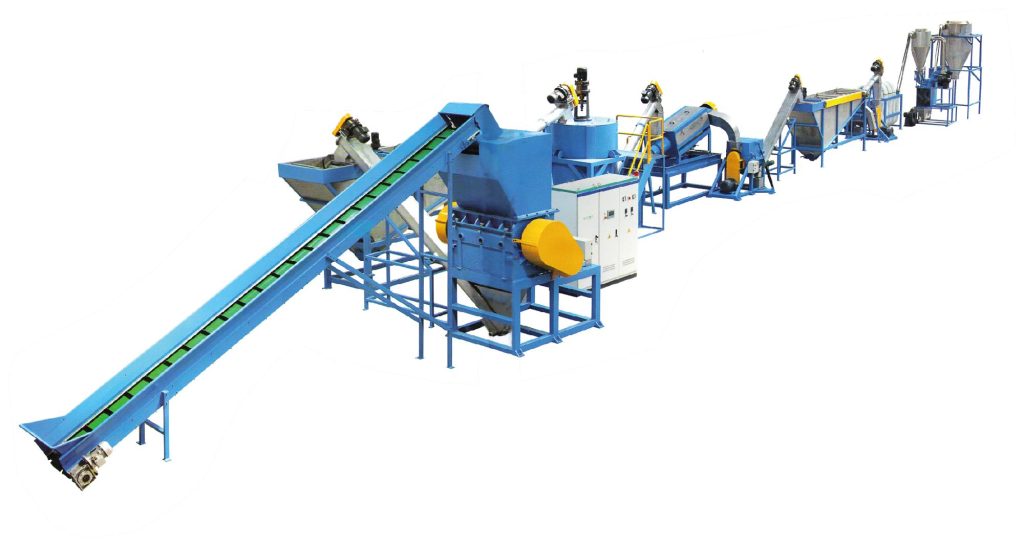
Sorting:
After collecting the plastic, it is carefully sorted according to the different types mentioned above. The sorted plastics are taken to the relevant workshop or factory for recycling.
Shredding:
After thorough cleaning, these sorted plastics are broken into small pieces. This crushing is done by high-tech machines through a process called agglomeration
Washing:
This is the third step in plastic recycling. After sorting, the plastics are washed and cleaned well to remove impurities, labels and adhesives. This stage of recycling is called plastic salt grinding
Classification:
After crushing, they are tested again and classified based on quality.
Extrusion or granulation:
This is the process of melting the crushed plastics so that it can be molded. The melted plastic is cooled in water and then turned into pellets through a cutter. This makes it easier to make a new product.
New Product Production: The final product is manufactured by a process called injection molding, stretch blow molding, and many other processes at high pressure. Thus, a new product is formed.
Why recycle plastics?
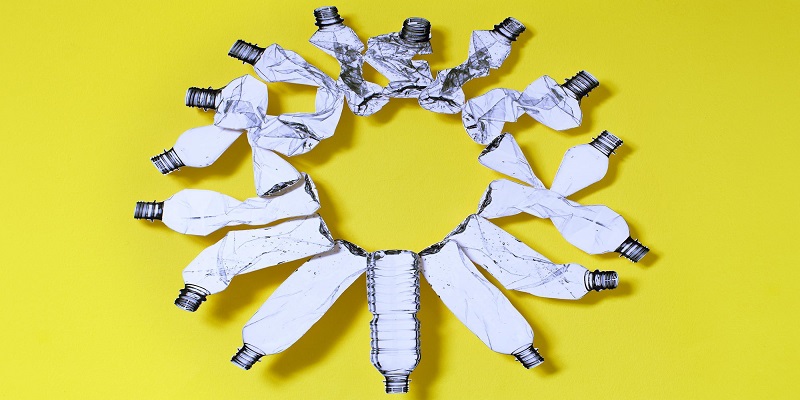
This is a very good question for us. Why do we recycle plastics?
From tires to toothbrushes, cups, buckets, tubs, containers, bags and many more, they play a huge role in our lives. The use of plastics has increased year after year and now the time has come when we cannot live without them. Plastic is a known non-biodegradable material which means that it is not possible to decompose naturally. Plastic is also a toxic material because when it gets into the nature, it causes pollution. Scientists are very concerned about the increase in plastic waste as it is not able to decompose as compared to the waste generated. Therefore, it should be recycled for the following reasons.
Minimizing Pollution:
This is one of the main reasons for recycling plastic. Since it is abundant and due to its biodegradable nature, recycling it is of great importance. This can reduce pollution to a great extent.
Job Opportunities:
A large number of recycling units will be set up by the recycling industry which in turn will create many job opportunities. Since it is a long chain from collection to delivery of products, many people get jobs in this process.
Landfill Reduction:
The discarded plastics are transferred to the recycling industry. This reduces the amount of waste in landfills. This becomes very beneficial as it significantly reduces land, air and water pollution.
Resource Saving:
Recycling saves on the use of new resources. This is because no new resources are used for the recycling process. Existing resources are reused to produce a new product.
Reduces Global Warming:
Disposal and incineration of waste emit greenhouse gases such as carbon, nitrogen and sulphur which cause global warming. Recycling of plastic reduces this to a great extent as many plastics are recycled instead of being dumped.
Cleaner Environment:
Since very little waste is dumped, it increases the cleanliness of the surrounding environment which has a very positive impact on the environment. This is a great protection for biodiversity in general.
conclusion
In today’s scenario, recycling of products is essential considering the overall benefits. Due to the significant depletion of resources due to continuous and excessive usage, special importance should be given to recycling. Plastic pollution is a global issue that needs to be addressed with proper planning and care. The use of plastic has increased drastically over the years that have started accumulating. Therefore, recycling is the only option left to reduce the intensity. Proper technological advancement should be given priority to reduce the harmful effects of recycling. Necessary steps should be taken to examine and improve the quality of recycled products. Incentives with attractive schemes should be provided by the government to set up recycling units in order to reduce plastic waste. Awareness should be created among the citizens so that they have proper awareness about the methods and benefits of recycling. More people should be encouraged to buy recycled goods. Therefore, it is concluded that recycling is the only way to save mother earth from plastic pollution.